
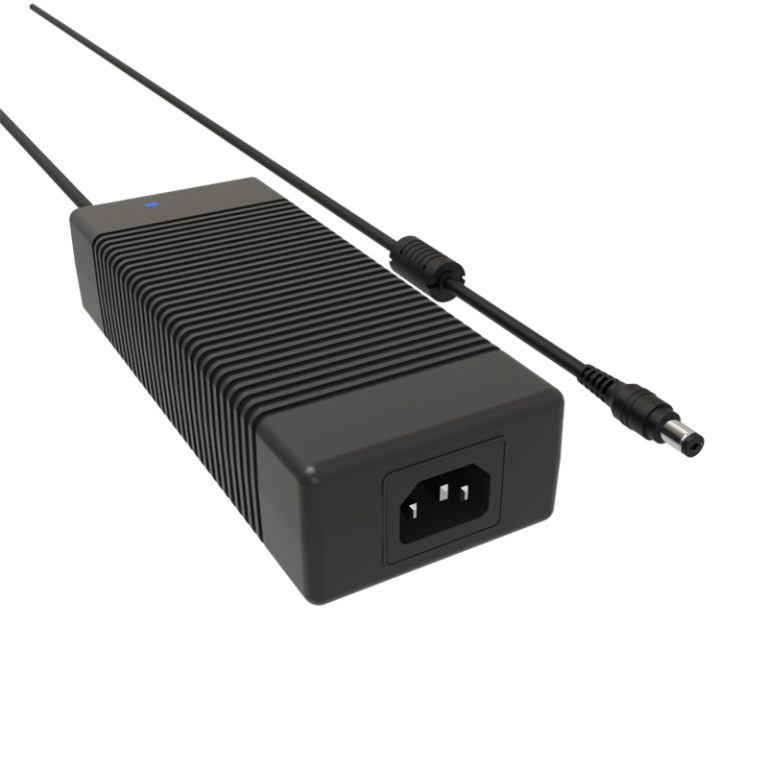
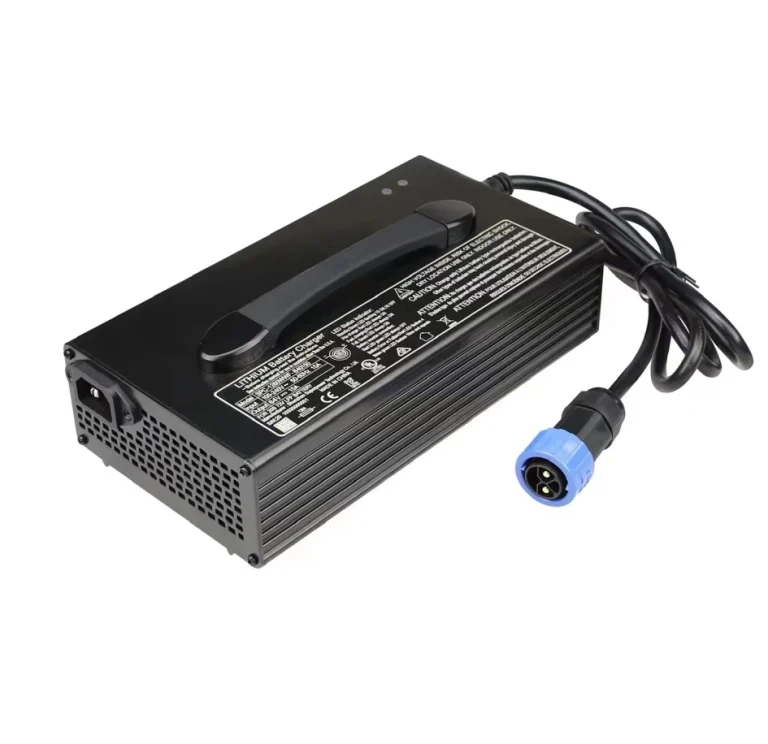
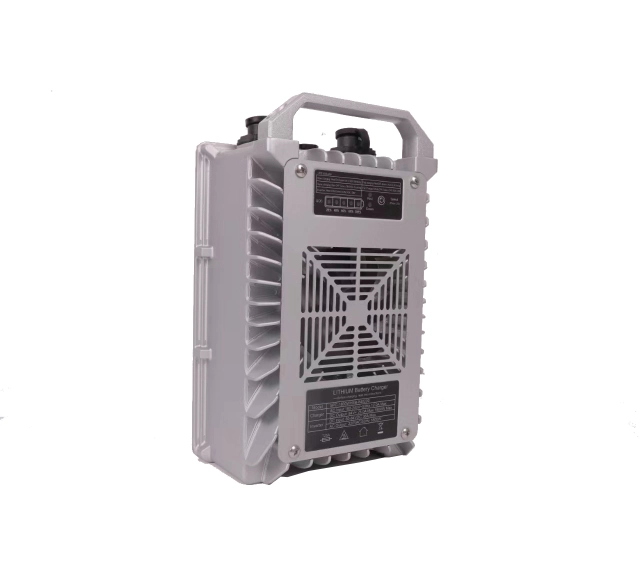
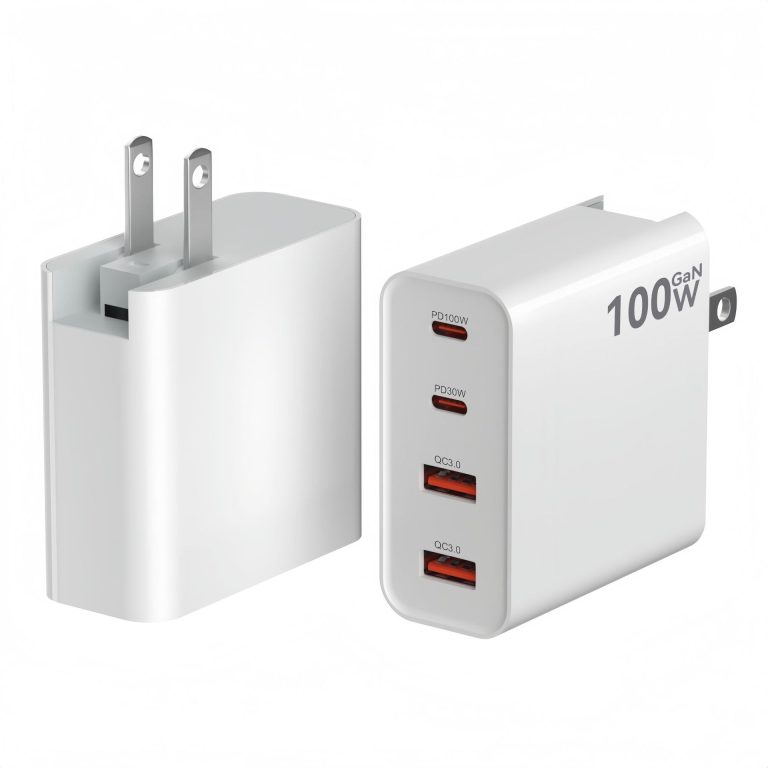
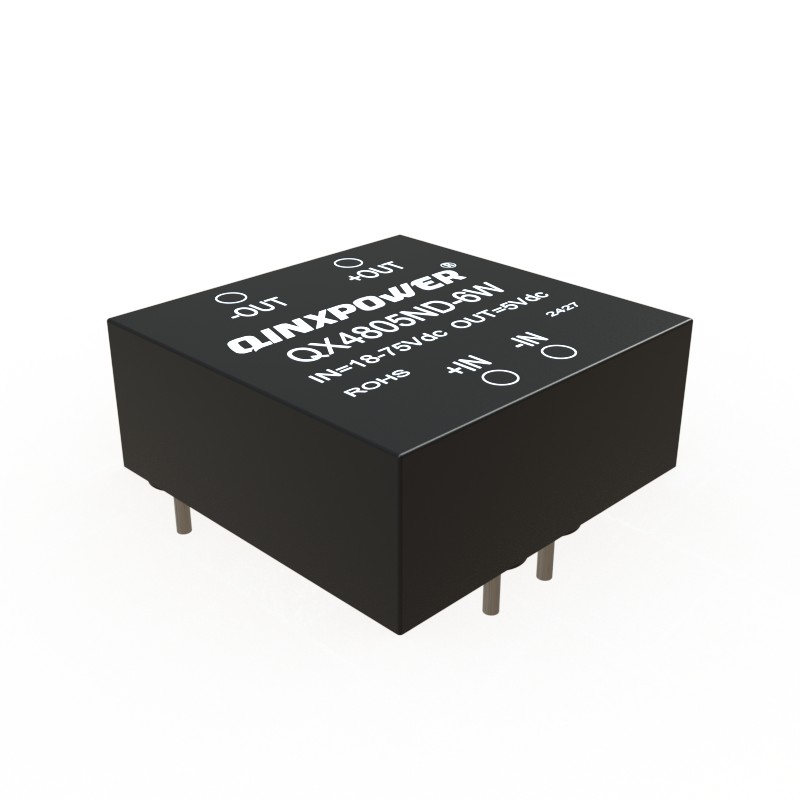
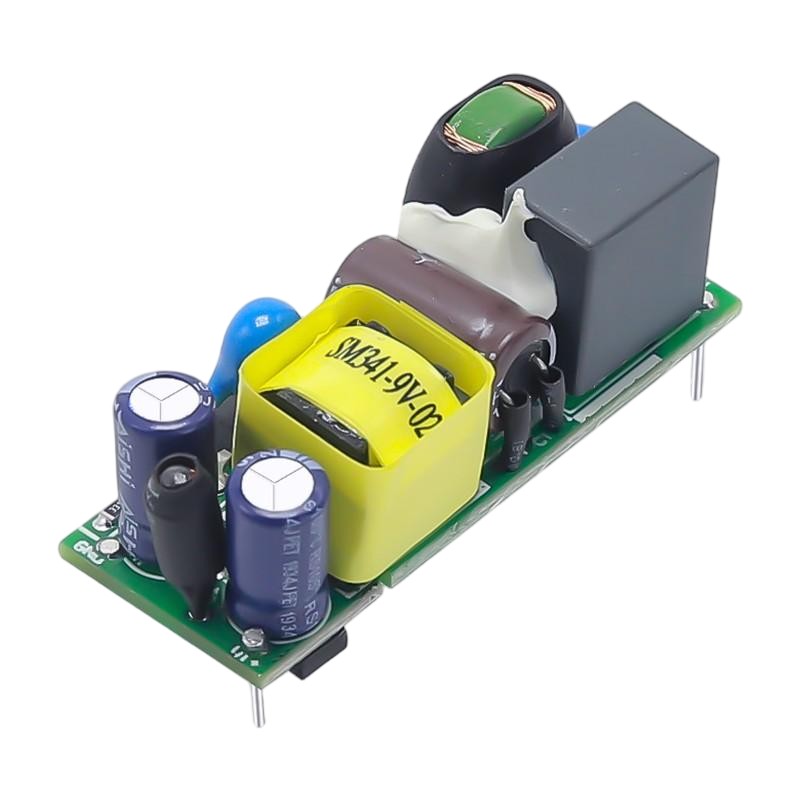













Как импульсные источники питания произвели революцию в современной электронике: принципы и области применения.
Executive Summary
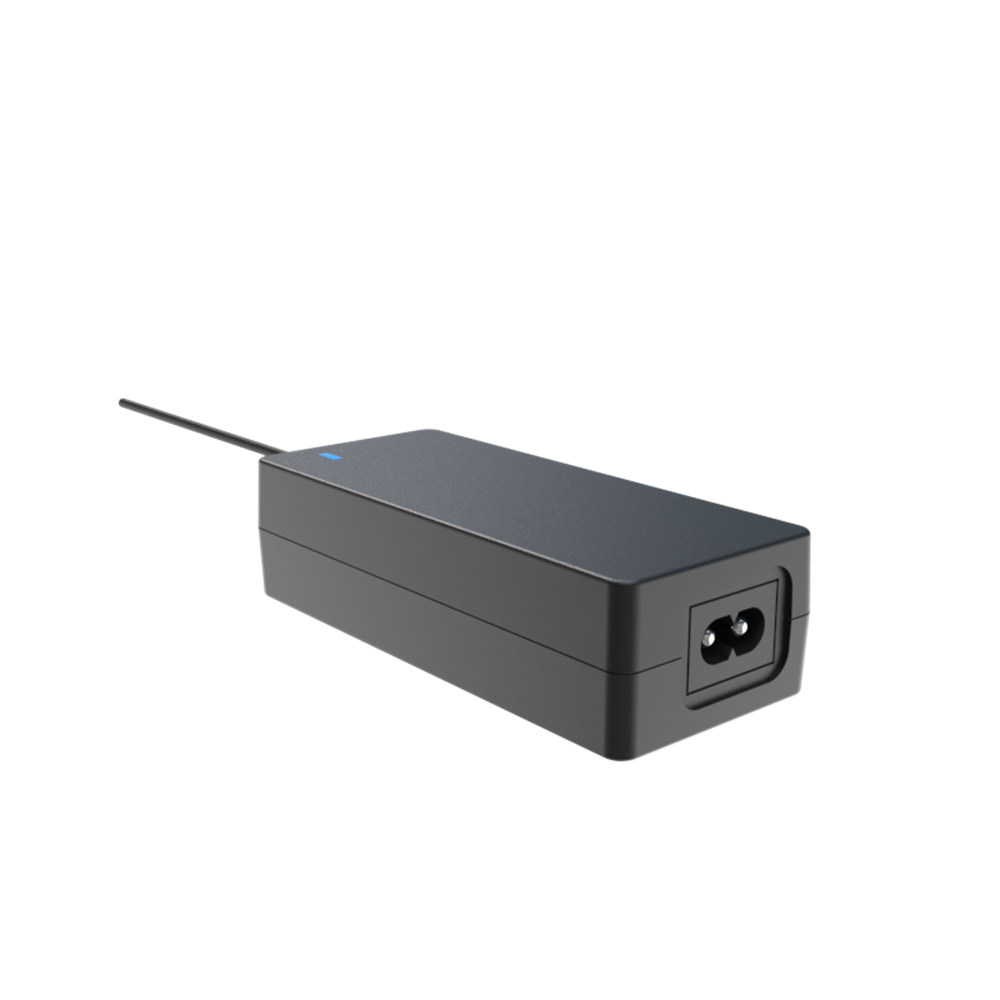
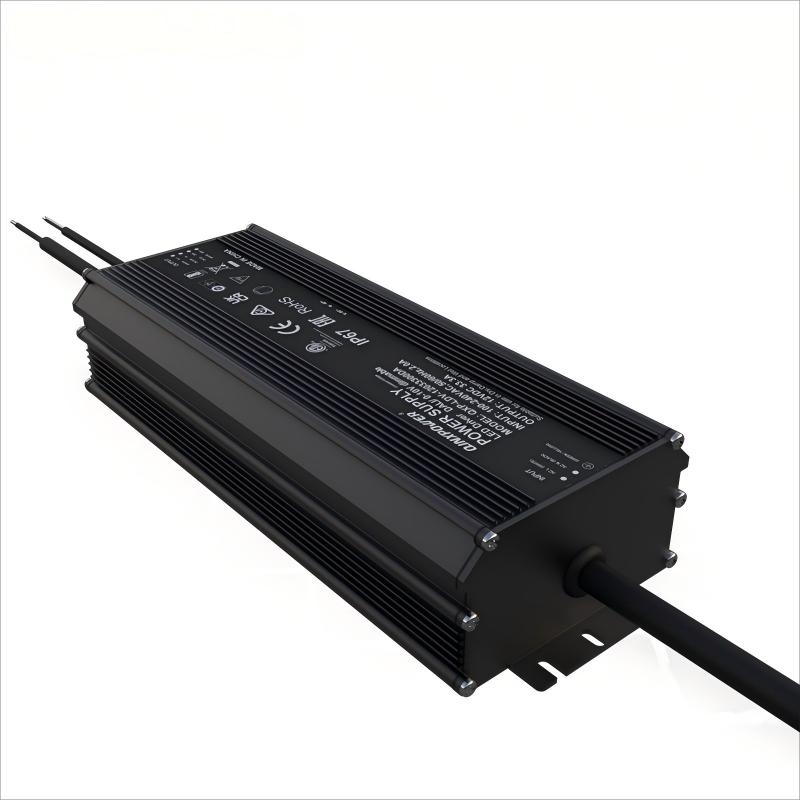
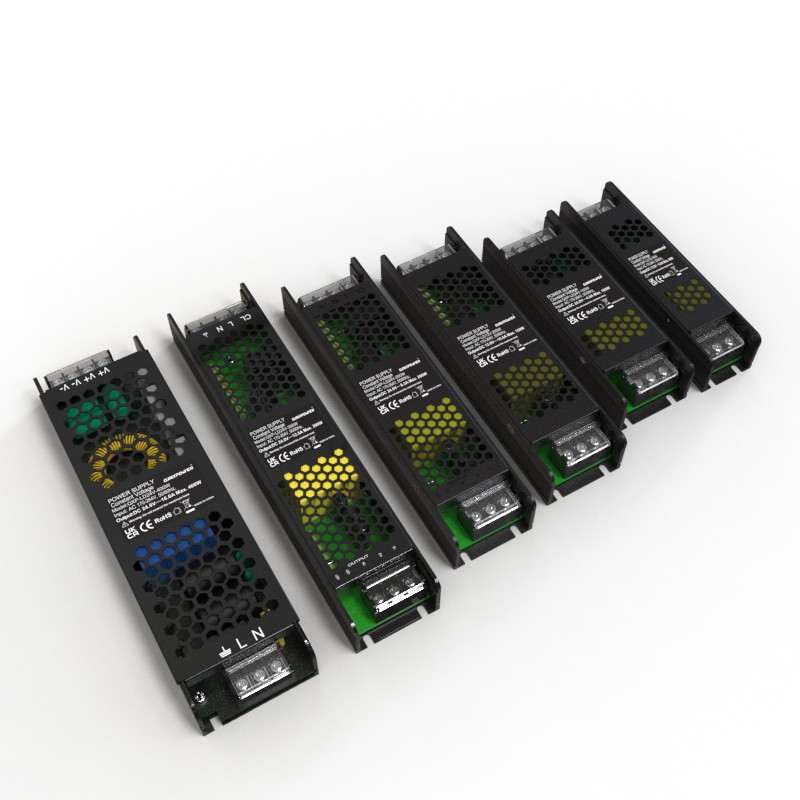
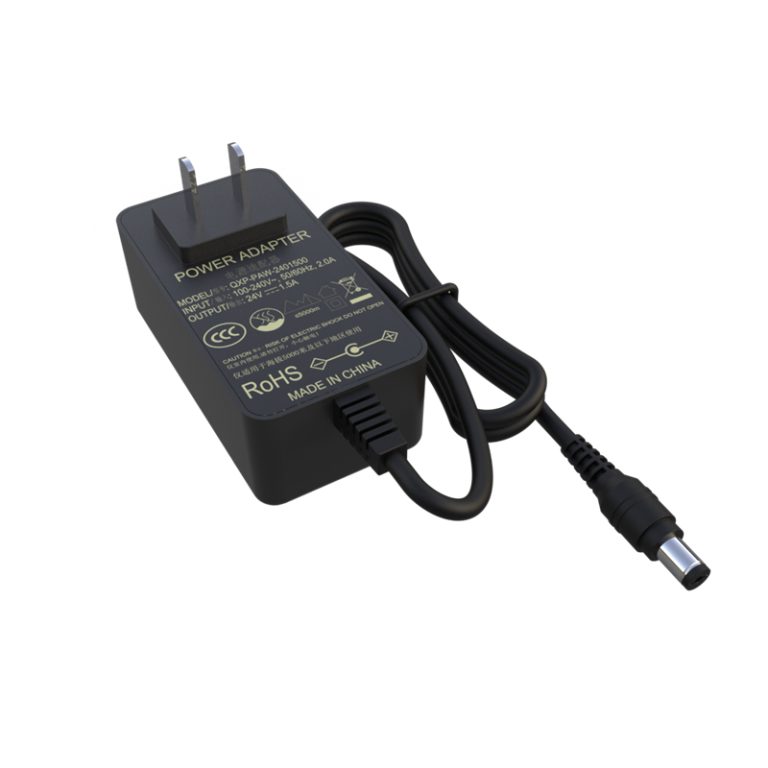
Switching power supplies (SMPS) represent the dominant power conversion technology in contemporary electronics, achieving 70-95% efficiency compared to 30-50% in traditional linear regulators. This comprehensive guide examines their operational principles, architectural variations, and critical applications across industries.
Core Operating Principle: Precision-Controlled Energy Transfer
Unlike linear regulators that dissipate excess voltage as heat, SMPS utilize high-frequency switching (typically 50kHz-1MHz) to regulate output through pulse-width modulation (PWM). The fundamental process involves:
- Rectification: Converting AC input to pulsating DC
- High-Frequency Switching: Chopping DC into square waves via MOSFET/IGBT transistors
- Transformation: Adjusting voltage levels through compact high-frequency transformers
- Filtering: Reconstructing stable DC output through LC filters
Primary Topologies and Characteristics
1. Buck Converter (Step-Down)
- Эффективность: 85-95%
- Application: Processor voltage regulation (12V→1.8V), battery-powered devices
- Key Advantage: Minimal component count, excellent transient response
2. Boost Converter (Step-Up)
- Эффективность: 80-90%
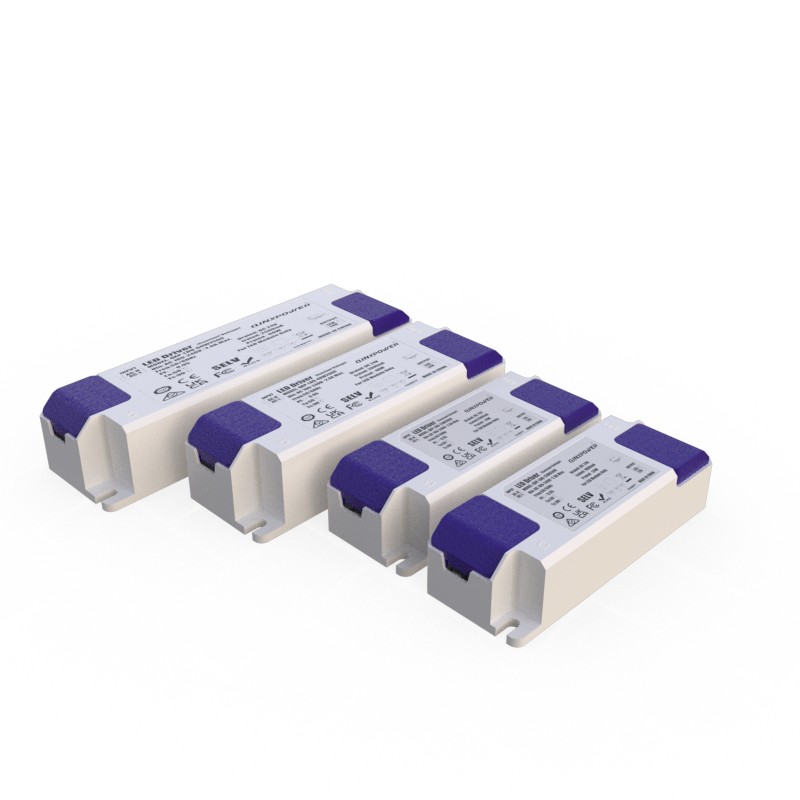
- Application: LED drivers, battery voltage boosting (3.7V→5V)
- Design Challenge: Output voltage limitation due to switch stress
3. Buck-Boost Converter
- Эффективность: 75-85%
- Application: Battery systems with wide voltage ranges
- Notable Feature: Output polarity inversion in basic configuration
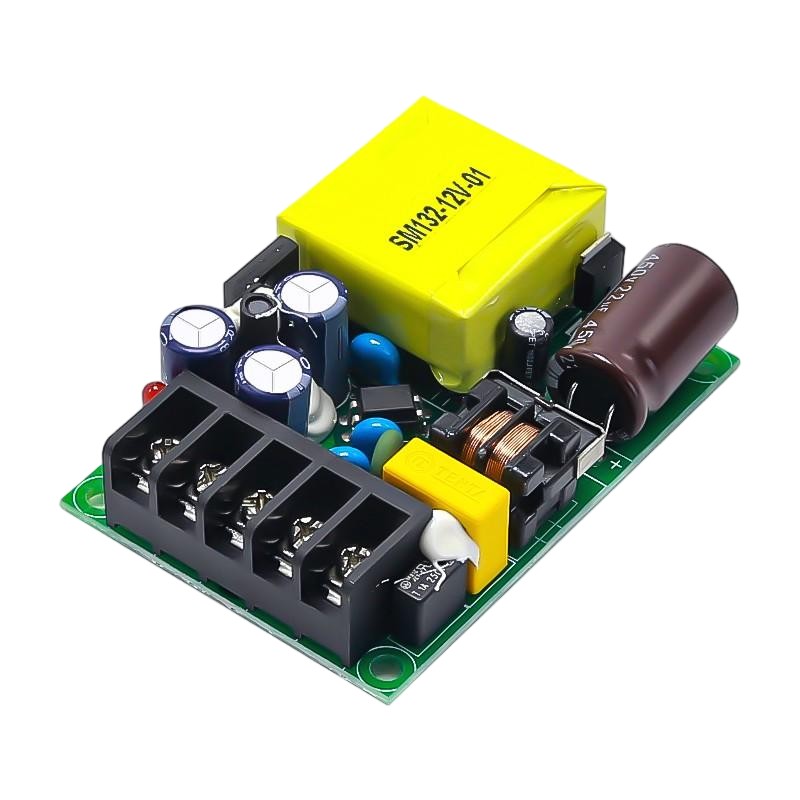
4. Flyback Converter
- Эффективность: 70-85%
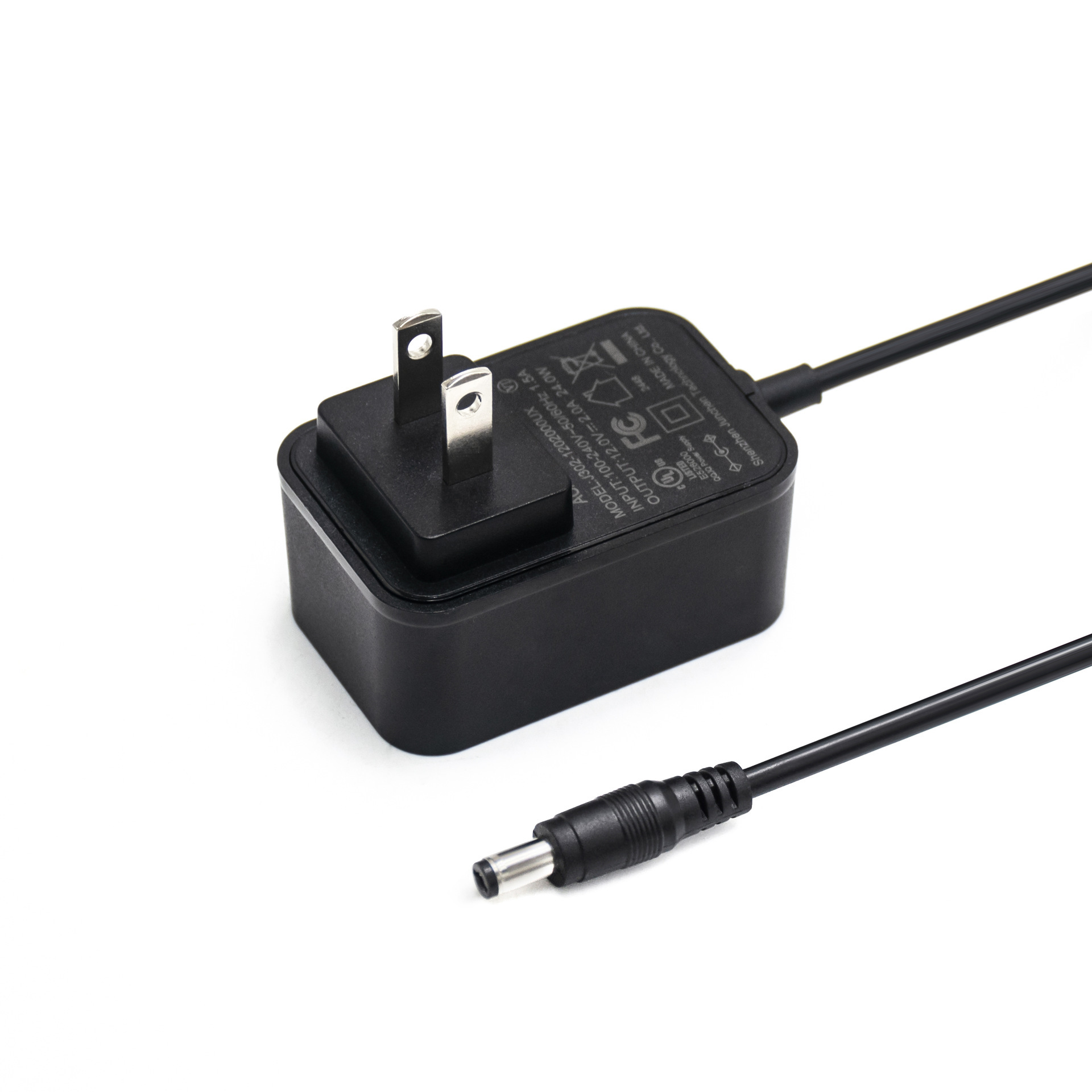
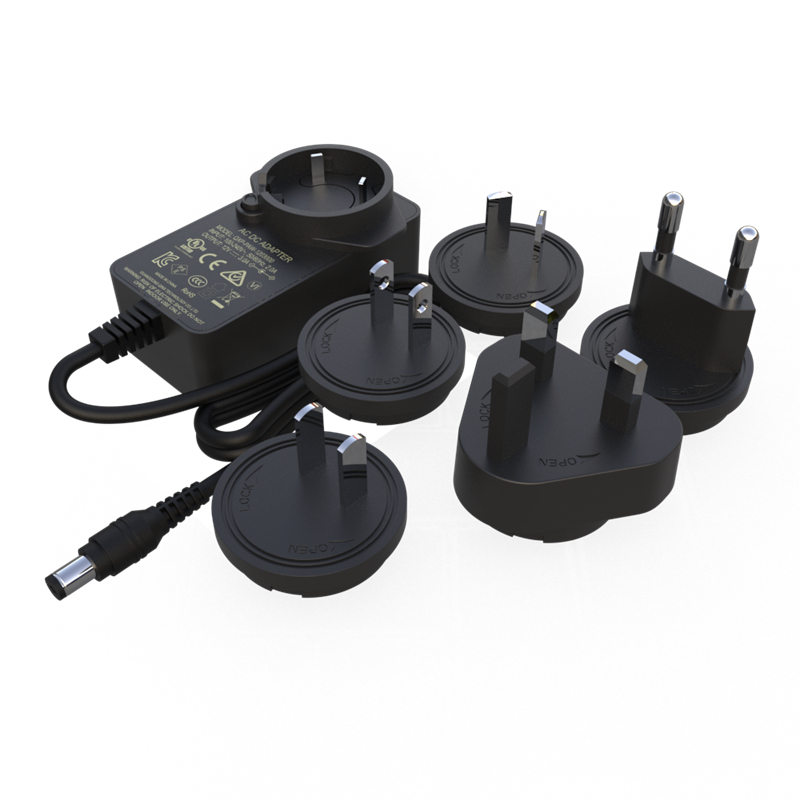
- Application: Low-power AC/DC adapters (<100W), multiple output systems
- Distinctive: Transformer provides both isolation and energy storage
5. Forward Converter
- Эффективность: 80-90%
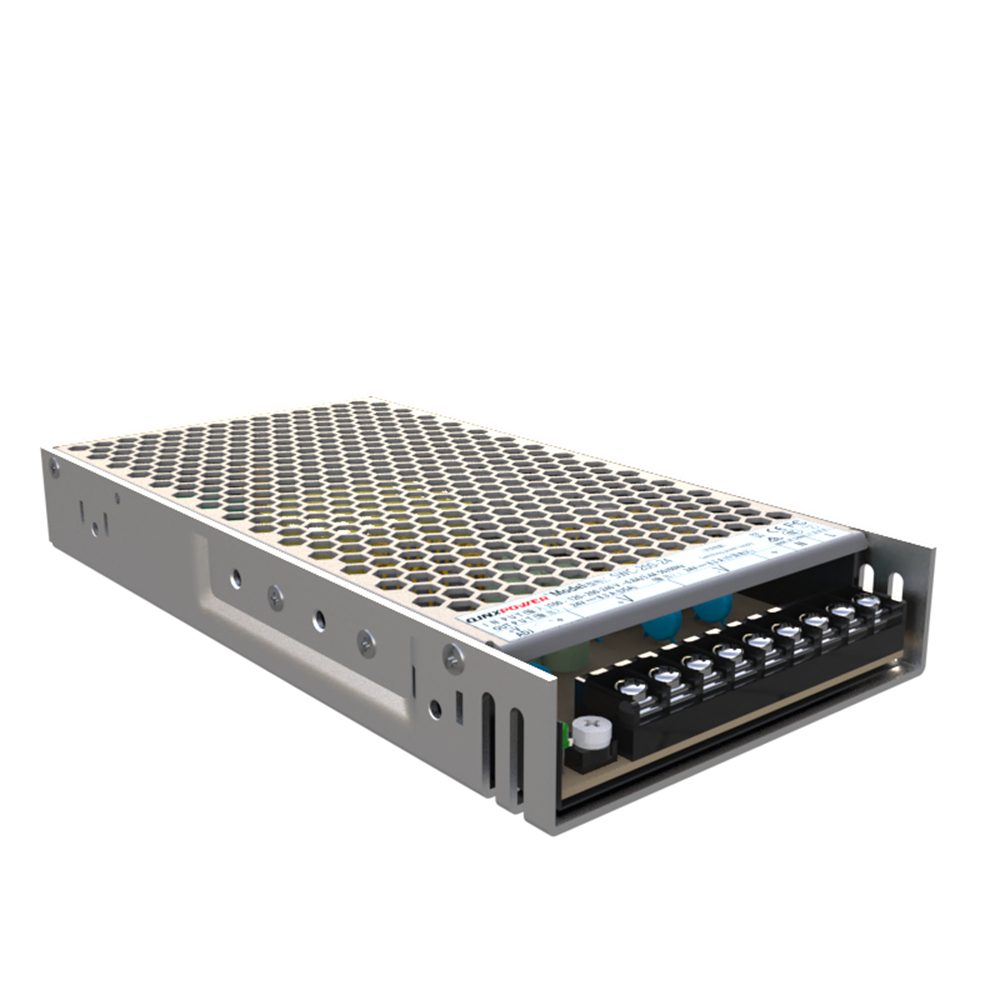
- Application: Medium-power industrial systems (100W-500W)
- Advantage: Better transformer utilization than flyback topology
Critical Performance Metrics
| Parameter | Typical Range | Industry Standard |
|---|---|---|
| Эффективность | 70-95% | 80 Plus Platinum (≥94%) |
| Switching Frequency | 50kHz-2MHz | 100-500kHz (optimal balance) |
| Power Density | 10-50W/in³ | 30W/in³ (advanced designs) |
| Ripple Noise | 10-100mVpp | <50mVpp (sensitive applications) |
| Transient Response | 50-200μs | <100μs (high-performance) |
Electromagnetic Compatibility Considerations
Modern SMPS designs must address:
- Conducted Emissions: Compliance with FCC Part 15/EN 55032 Class B
- Radiated Emissions: Proper shielding and layout techniques
- Power Factor Correction: Mandatory for >75W supplies (IEC 61000-3-2)
Industry Applications and Requirements
Бытовая электроника
- Power Density Priority: Ultra-compact USB-C PD adapters
- Efficiency Standards: DoE Level VI, CoC Tier 2
- Safety Certifications: UL/IEC 62368-1
Industrial Automation
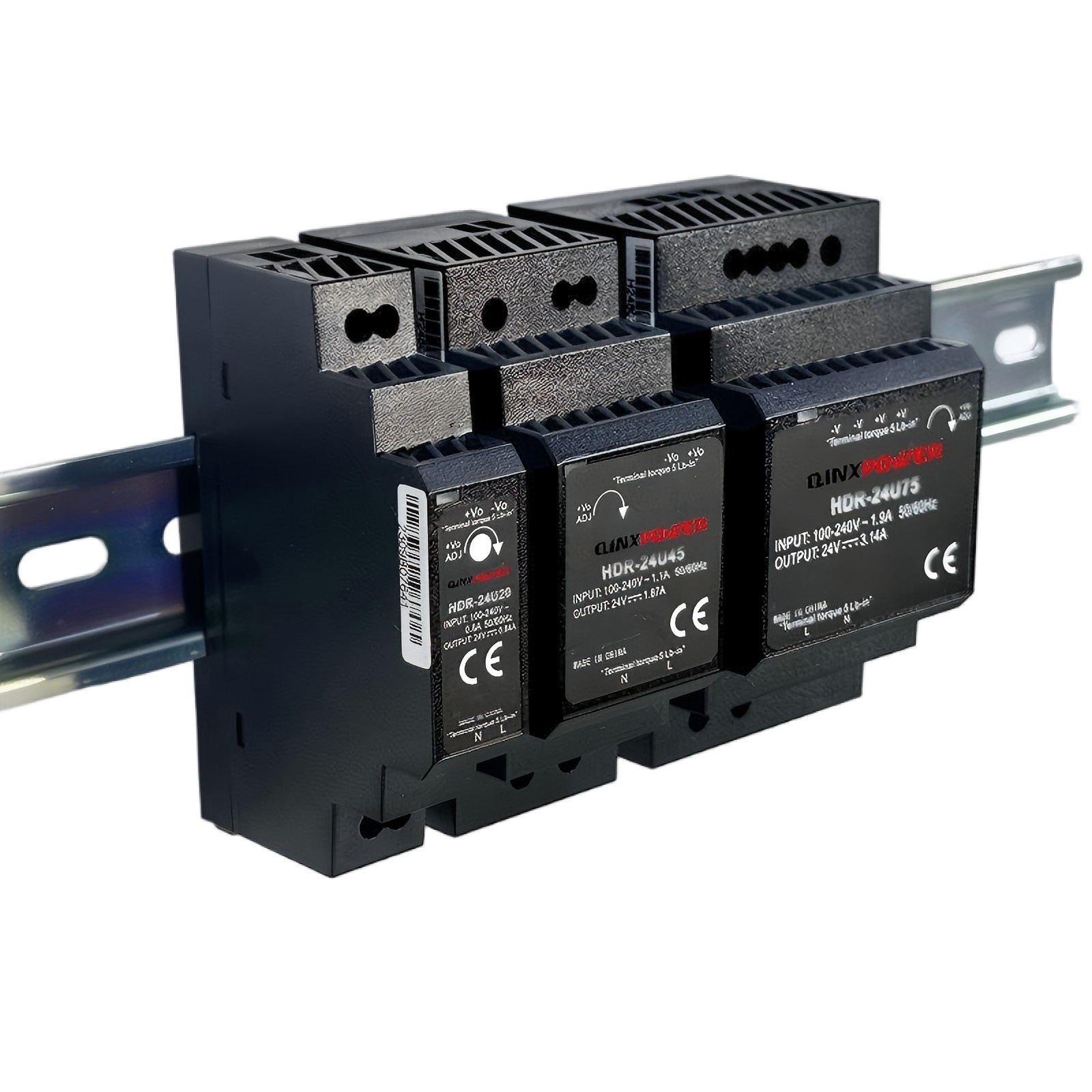
- Robustness: Wide temperature range (-40°C to +85°C)
- Protection Features: OVP, OCP, OTP with latch-up prevention
- Isolation Requirements: Reinforced isolation per IEC 61800-5-1
Telecommunications
- Input Range: 36-75V DC (48V nominal)
- Redundancy: N+1 parallel operation capability
- MTBF: >500,000 hours (Bellcore/Telecordia)
Medical Equipment
- Leakage Current: <100μA (BF/CF type equipment)
- Isolation: 2×MOPP (Means of Patient Protection)
- Standards Compliance: IEC 60601-1 3rd Edition
Design Optimization Strategies
Component Selection Guidelines
- Switching Devices: SiC MOSFETs for >100kHz operation, GaN for >500kHz
- Magnetic Components: Low-loss ferrite cores (PC95, N49) with Litz wire
- Capacitors: MLCC arrays for bulk capacitance, polymer for output filtering
Thermal Management
- PCB Layout: Dedicated thermal pads with via arrays
- Component Spacing: Minimum 2mm clearance for 100V+ designs
- Heat Sinking: Calculated based on worst-case θJA and ambient temperature
Control Methodologies
- Voltage Mode: Simple implementation, moderate performance
- Current Mode: Superior line rejection, inherent current limiting
- Digital Control: Adaptive compensation, telemetry capabilities
Future Development Trends
- Wide Bandgap Semiconductors: GaN and SiC enabling MHz-range switching
- Integrated Magnetics: PCB-embedded transformers and inductors
- AI-Optimized Control: Machine learning for adaptive loop compensation
- Wireless Power Integration: Resonant topologies for contactless energy transfer
Заключение
Switching power supply technology continues to evolve, driven by demands for higher efficiency, increased power density, and enhanced reliability. Successful implementation requires balancing electrical performance, thermal constraints, electromagnetic compliance, and cost considerations. As global energy regulations tighten and electronic systems become more sophisticated, SMPS design remains a critical engineering discipline with ongoing innovation opportunities